Spray Foam Removal for Clifton Homes
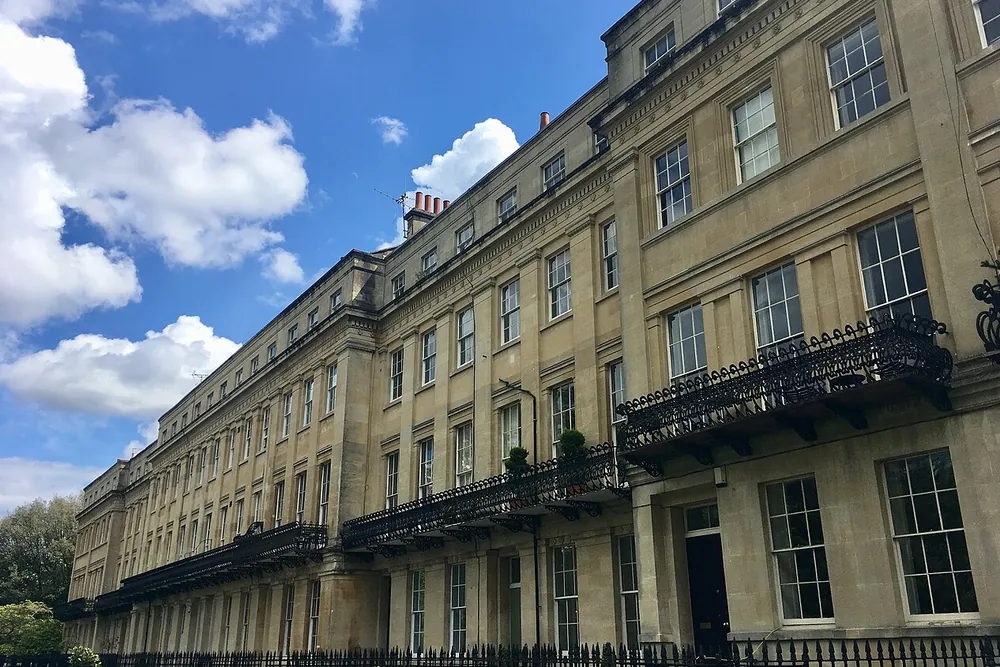
Clifton has some of Bristol’s oldest and most complicated roofs. Behind the crescents and terraces of Clifton Village sit valley roofs, parapet gutters and mansards, many of them over houses now split into flats. When spray foam turns up in one of these roofs — often after a buyer’s survey on a top-floor flat — it can affect several owners at once.
Spray Foam Removal Bristol removes spray foam from Clifton homes, and we work right across the city. The starting point is always the same: what type of foam is in the roof, how much of it there is, and what your lender, surveyor or buyer has actually asked for. Not every installation needs to come out.
Clifton Homes and Their Roofs
Many Georgian terraces in Clifton were built with a central valley, or ‘butterfly’, roof hidden behind a front parapet. The two pitches slope inwards to a gutter in the middle, leaving a low, narrow roof space between them. Foam sprayed under these roofs is awkward to reach, and the valley gutter and parapet are exactly where surveyors want to look for damp.
Victorian villas towards Clifton Down tend to have taller pitched roofs with hips, valleys and dormers. There’s more headroom but also more roof area — and in houses converted to flats, the loft may only be reachable through a top-floor flat or a communal hatch.
Mansard roofs and rooms in the roof are also common. Where a room has been formed inside the roof, foam may sit behind plasterboard on the sloping ceilings rather than in an open loft.
What Shapes a Removal Job in Clifton
- Shared roofs: freeholder or managing agent consent is usually needed before work starts
- Access through a top-floor flat or communal stairwell, sometimes four or five storeys up
- Valley gutters and parapets that need careful work around them
- Slates and detailing on period roofs that should be left undisturbed
- Permit parking and narrow streets affecting van access and waste collection
Spray Foam Removal Cost in Clifton
Guide prices
Clifton jobs often sit towards the middle or upper end of these ranges because of tall buildings, long carries and complicated roof shapes. A small, accessible loft in a smaller house can still come in lower.
- Small or partial spray foam removalFrom £1,500 to £3,000
- Typical 3-bed loft spray foam removalAround £3,000 to £5,000
- Larger or difficult closed-cell foam removal£5,000 to £8,000+
- Per square metre guideRoughly £40 to £80+ per m²
Guide prices only. Every loft is different, so a confirmed quote usually needs an inspection or at least clear photos. These are not fixed or guaranteed prices. See the full cost guide.
Survey, Sale and Mortgage Concerns in Clifton
Top-floor flats are a common source of Clifton enquiries: a buyer’s lender asks about the roof, and the seller discovers the foam is in a shared roof they don’t own outright. The freeholder, managing agent and other leaseholders may all need to be involved before a removal date can be fixed, so start that conversation early and ask the lender in writing what evidence they need.
Removal doesn’t guarantee lender or buyer approval — see mortgage problems.
Official Guidance for Clifton Homeowners
- RICS consumer guide to spray foam insulation — independent guidance for homeowners on spray foam, surveys and lending.
- Bristol City Council: conservation area character appraisals — the council’s published Clifton and Hotwells appraisal describes the area’s historic roofs and character.
- Bristol City Council: check if you need building regulations approval — whether re-roofing or re-insulating after removal needs approval.
- Historic England: search the National Heritage List — find out whether your building is listed, which affects consent for roof repairs.
External sites open in a new tab. Spray Foam Removal Bristol is not affiliated with or endorsed by these organisations.